




Our manufacturing excellence stems from cutting-edge infrastructure and automation. With in-house design, molding, and inspection systems, we maintain unmatched quality and consistency.

Our manufacturing excellence stems from cutting-edge infrastructure and automation. With in-house design, molding, and inspection systems, we maintain unmatched quality and consistency.

Manufacturing Excellence & Facilities

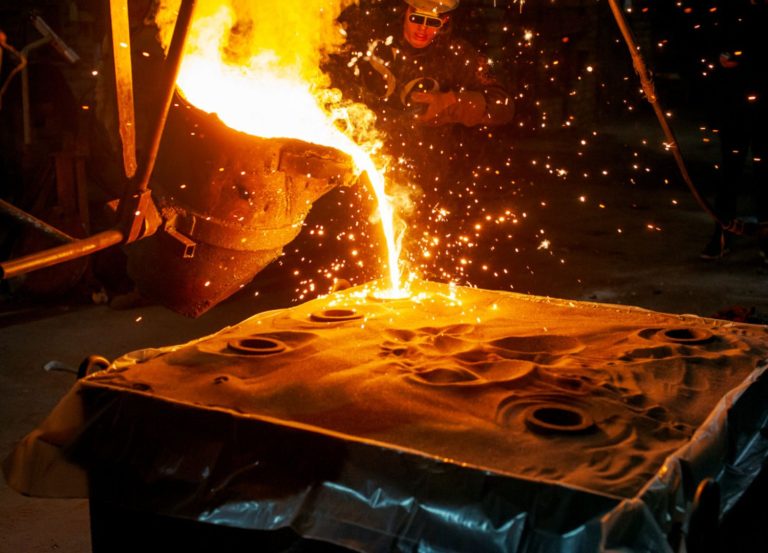
Furnace for glass bottle manufacturing

Precision Furnace Control: Best in class designed by HORN

Harnessing the power of best-in-class technology from HORN, our precision furnace control ensures every glass product is crafted with unmatched quality and consistency. This advanced system allows for superior thermal management, guaranteeing perfect form and flawless clarity in every single piece.

Batch Accuracy:

Automated batch house systems ensure precise raw material mixing and minimal waste

Energy Efficiency: Awarded as an Excellent Energy-Efficient Unit by CII

Efficient compressors, blowers, and Lehrs form the foundation of our process, complemented by advanced Dryers and Cooling Towers. We optimize our furnaces with Oxy boosting and electric boosting and employ Regenerative burners and waste heat recovery for maximum energy conservation. Our operations are continuously monitored by real-time energy monitoring systems.

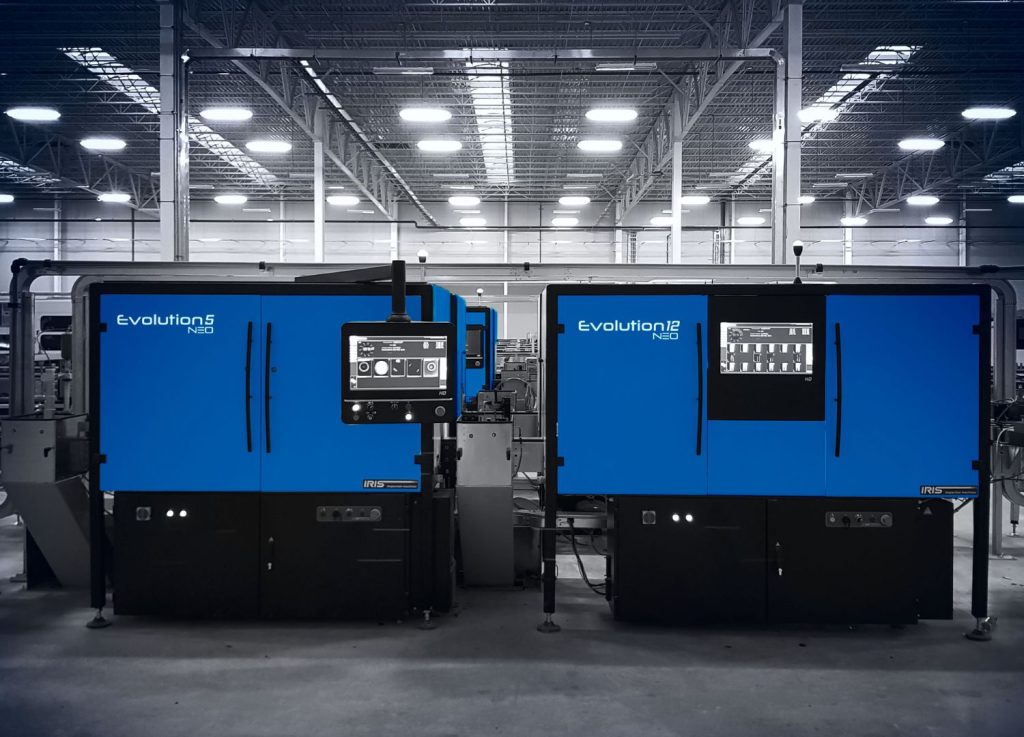
Iris inspection machine cover

Quality Assurance Systems: Best-in-Class Inspection Machines from IRIS & HEYE

Online defect inspection using advanced vision systems for sidewall, base, top, and finish.

Lean Manufacturing Practices:

We implement continuous improvement methodologies such as Kaizen, 5S, and Six Sigma to systematically reduce operational downtime and significantly improve overall production yield.

Lean Manufacturing Practices
IOT

Digital Integration:

We use an integrated online communication system that connects production, quality control, and mold management, ensuring real-time feedback and swift corrective actions. Our operations are further enhanced by IoT-enabled equipment, which provides continuous data capture and advanced analytics to facilitate predictive maintenance and proactive decision-making

Sustainability Initiatives:

Our commitment to sustainability is demonstrated through the use of 100% renewable electrical energy and increased usage of recycled glass. We maintain our environmental standards with robust emission control systems and water recycling technologies, ensuring zero discharge.

Glass bottles with creeper

Advanced Glass Manufacturing Techniques

NNPB, B&B, P&B Technology

These technologies—Narrow Neck Press and Blow (NNPB), Press and Blow (P&B), and Blow and Blow (B&B)—are advanced manufacturing processes designed to produce glass bottles that are significantly lighter than traditional bottles. By precisely controlling the glass distribution, these methods increase the strength and durability of the bottles while using less material. 

The primary goal is to achieve lightweighting, which reduces raw material consumption, lowers energy usage during production, and decreases transportation costs.

Advanced Glass Forming with Servo-Driven IS Machines

Servo-Driven High Speed IS (Individual Section) Machines from manufacturers like Bottero and BDF represent a major technological advancement in the glass container industry. Unlike traditional machines that rely on mechanical linkages, these modern systems use programmable motion control via electric servomotors. 

This technology enables high-precision forming, offering superior control over the glass-making process. The key benefits are better repeatability, leading to more consistent bottle shapes and sizes, and a reduction in defects, which improves overall product quality and efficiency. Ultimately, these machines allow for faster production of higher-quality glass containers.

Hot-End and Cold-End Coating Systems from IMACA & VIDROMECANICA

In glass manufacturing, Hot-End and Cold-End Coating Systems from leading providers like IMACA and VIDROMECANICA are crucial for enhancing the quality and longevity of glass containers. The Hot-End coating is a thin layer of tin oxide applied when bottles are still hot, providing a base coat that chemically strengthens the glass surface and makes it more resistant to scratches. After the bottles cool, the Cold-End coating is applied, typically a thin layer of polyethylene wax.

This top coat reduces the coefficient of friction, allowing the bottles to glide smoothly against each other on conveyor belts, preventing scuffs and breakage during transportation and handling. The combination of these two systems significantly improves surface durability and reduces handling friction, leading to fewer defects and increased line efficiency.

Advanced Mould Design, Manufacturing & Inspection

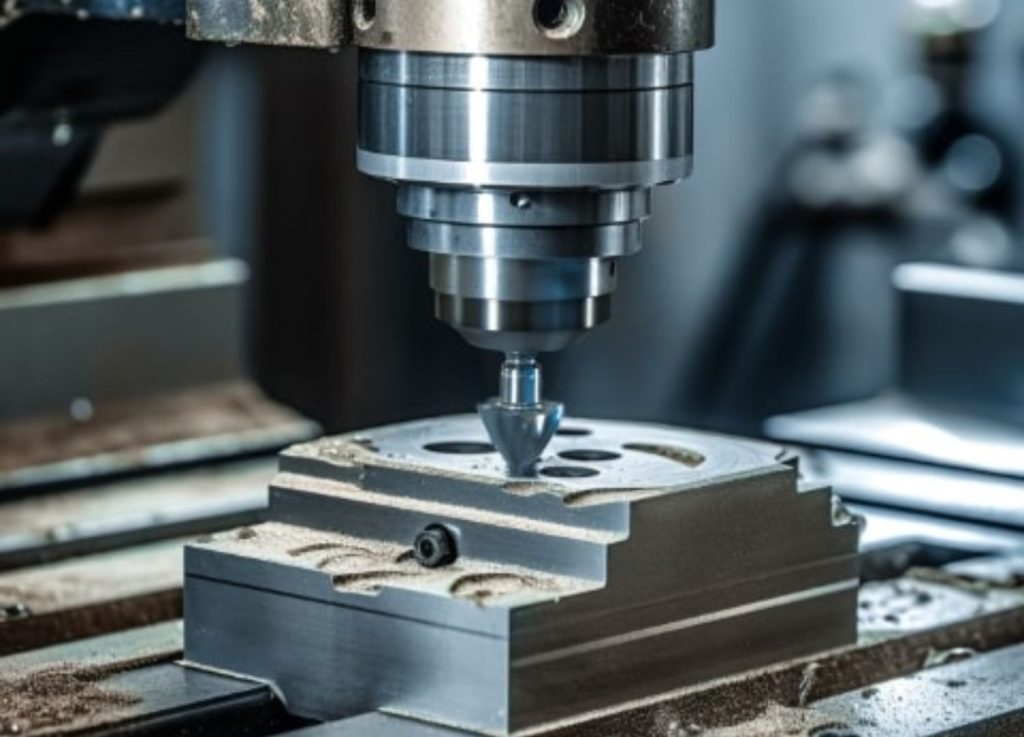
Advanced Mould Design, Manufacturing & Inspection are critical steps in producing high-quality glass containers. This process begins with reverse engineering to analyze existing designs, and uses modern tools to convert a concept into a precise glass container mould. By selecting optimized mould materials and designing efficient cooling channels, the system achieves faster cycle times and significantly improves glass container quality.

The process is perfected through rigorous inspection, including blank volume measurement by SONICAM gauging machine, ensuring every mould meets the highest standards for consistent and flawless production. This level of precision minimizes defects and enhances the overall strength and appearance of the final product.

Digital Process Monitoring

Digital Process Monitoring involves the use of integrated sensors and software to collect real-time data from the glass manufacturing line. This technology allows operators to continuously monitor critical forming parameters, such as mold temperatures and gob characteristics, as well as other key variables. By providing immediate feedback on these measurements, digital monitoring systems help ensure that every container is formed under optimal conditions. This precise control results in a significant improvement in product quality, reduced defects, and greater operational efficiency.

Production Capabilities & Automation

Multi-Cavity Molding

Enables simultaneous production of multiple containers per cycle for higher throughput.

Flexible Product Range

Supports a wide variety of shapes, sizes, and colours (flint, amber, green, cobalt blue etc.)

Specialty Container Production

Ability to produce food, beverages, pharmaceutical, cosmetic, and premium liquor containers with precise controls

Integrated Quality Control

Online inspection systems for dimensional accuracy, wall thickness, and surface defects

Automated Packaging & Palletizing

Case Packer, Case Erector, Tray Erector, Palletizer, Product coding etc

Predictive Maintenance Systems

IoT sensors and analytics to forecast equipment failures and schedule proactive maintenance.

Quality Control & Assurance

🔥 Hot-End Quality Control

Gob Weight & Shape Monitoring

nsures consistent glass distribution for uniform container thickness and strength

Mold Temperature Control

Maintains optimal forming conditions to prevent defects like blisters or thin walls

Hot-End Coating Application

Enhances surface durability and reduces friction during handling and transport.

Forming Process Stability

Real-time monitoring of IS machine parameters to detect anomalies early

❄️ Cold-End Quality Assurance

Automated Visual Inspection Systems

High-speed cameras and AI algorithms detect defects such as cracks, inclusions, and dimensional inaccuracies.

Dimensional Verification

Laser or mechanical gauges measure height, diameter, and wall thickness to ensure compliance with specifications.

Cold-End Coating Application

Improves scratch resistance and container longevity during filling and transport

Container Strength Testing

Includes pressure testing, impact resistance, and thermal shock evaluation.

🔬 Process-Wide Quality Assurance

Statistical Process Control (SPC)

Continuous data analysis to identify trends and prevent out-of-spec production.

Root Cause Analysis (RCA)

Systematic investigation of defects to eliminate recurring issues.

Traceability Systems

Batch-level tracking from raw materials to finished goods for accountability and recall management

ISO & Industry Standards Compliance

ISO 9001, ISO 14000, ISO:15378, FSSC:22000, SEDEX 7.0
📈Employee Training & Audits

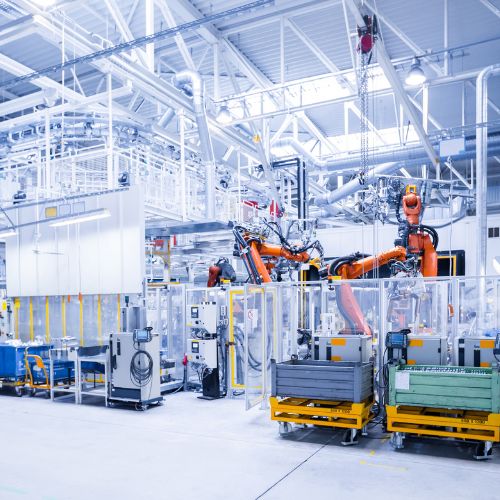
 Regular skill development ensures that all personnel are equipped with the latest knowledge and techniques, enabling them to perform their tasks with greater precision and efficiency. Concurrently, internal audits serve as a critical check, systematically verifying that all processes and procedures are consistently followed to maintain established high-quality standards.

In the context of glass bottle manufacturing, this approach is crucial for several reasons. For example, it helps to maintain the precision of Servo-Driven IS Machines, which rely on programmable motion control for consistent results and reduced defects. 

It also ensures that the application of Hot-End and Cold-End Coatings is performed correctly to improve surface durability and reduce handling friction. Furthermore, it guarantees that the complex procedures for Advanced Mould Design, Manufacturing & Inspection are executed with the necessary skill to produce high-quality containers.

Where innovation meets infrastructure.

Scroll to Top

Submit your detail here.